Trezor Start Guide – Protect Your Digital Assets
Cryptocurrency has opened the doors to a new world of financial independence, decentralized finance, and digital investment opportunities. However, with this freedom comes responsibility. Unlike traditional banking systems, cryptocurrency users must secure their own assets, as losing private keys or exposing them to cyberattacks can result in permanent loss of funds.
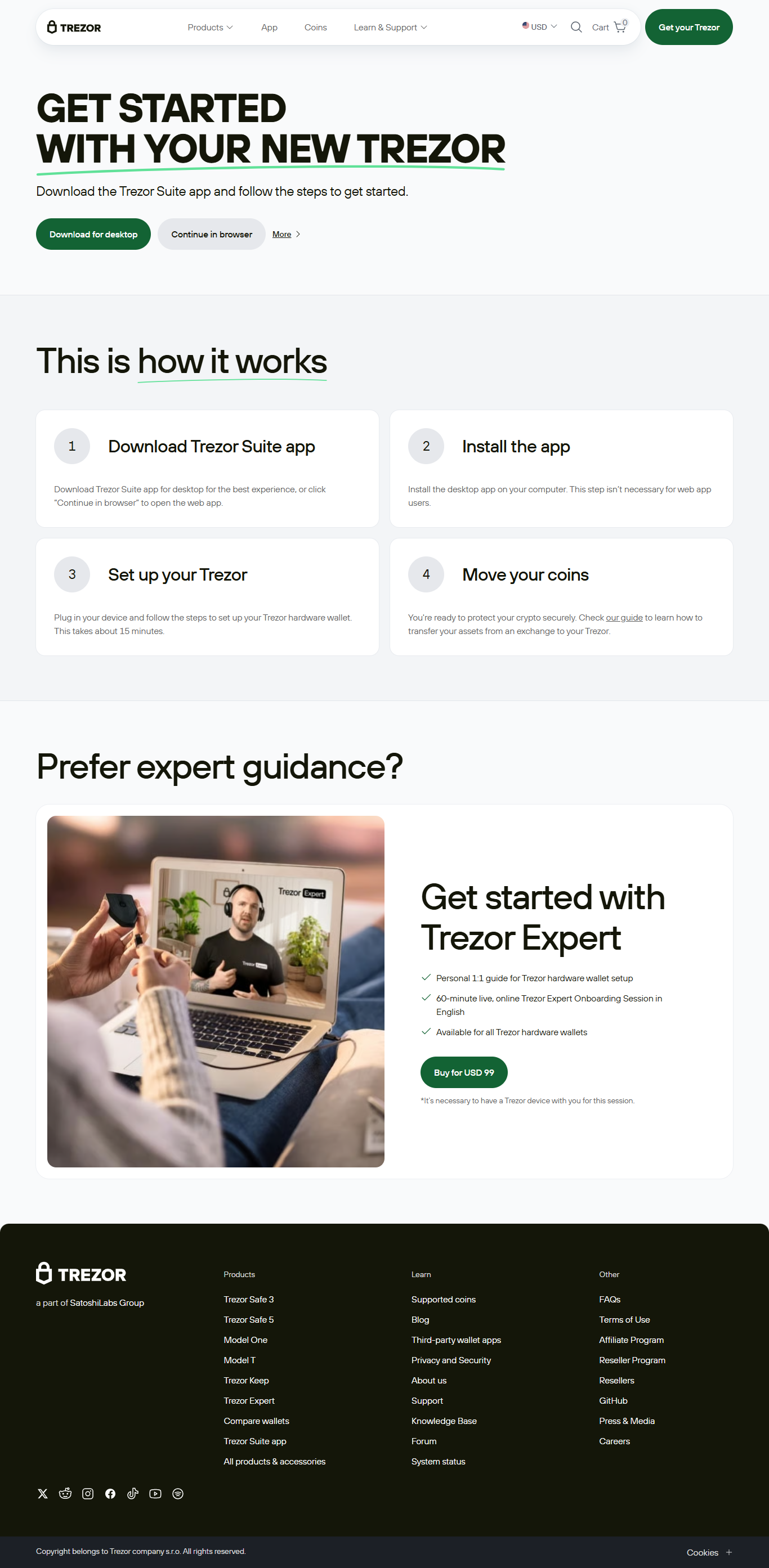
Trezor hardware wallets have become a trusted solution for individuals looking to protect their digital assets. They combine industry-leading security with a user-friendly interface, making them suitable for beginners and seasoned crypto enthusiasts alike. For those just getting started, Trezor offers a dedicated onboarding platform: Trezor.io/start. This portal provides a step-by-step guide to setting up your hardware wallet, managing cryptocurrencies, and maintaining best practices for security.
This article serves as a comprehensive Trezor start guide, walking new users through the process of protecting and managing their digital assets safely.
Why Trezor Is Essential for Digital Asset Security
Before diving into the setup process, it’s important to understand why Trezor is trusted by millions of cryptocurrency users worldwide.
Hardware-Level Security: Trezor keeps private keys offline, making them impervious to malware, phishing attacks, and hacking attempts.
Open-Source Software: Trezor firmware and companion applications are open-source, allowing the community to audit and verify the integrity of the code.
Multi-Currency Support: Trezor supports thousands of cryptocurrencies, including Bitcoin, Ethereum, and ERC-20 tokens, offering flexibility for diversified portfolios.
User-Friendly Interface: Even users with minimal technical experience can manage their crypto assets safely.
Integration with Trezor Suite: Trezor Suite acts as a secure dashboard for portfolio management, sending/receiving crypto, and monitoring transactions.
By combining hardware security with intuitive software, Trezor ensures that users remain in full control of their assets while minimizing the risk of cyber threats.
Step 1: Choose the Right Trezor Device
Trezor offers two primary models:
Trezor Model One: An entry-level device suitable for beginners. Supports most popular cryptocurrencies.
Trezor Model T: An advanced device featuring a touchscreen, additional security options, and support for a wider range of cryptocurrencies.
When selecting a device, consider:
How many cryptocurrencies you intend to store
Whether you prefer a touchscreen for ease of use
Your need for advanced security features such as passphrases and hidden wallets
Both devices offer hardware-level security, ensuring that private keys never leave the device.
Step 2: Visit Trezor.io/start
The first step to setting up your Trezor wallet is to visit Trezor.io/start. This official portal provides:
Step-by-step instructions for setting up your device
Download links for Trezor Suite, the official wallet application
Guidance for backup, recovery, and best security practices
Troubleshooting resources and FAQs
Using the official portal protects users from phishing sites and counterfeit devices, which can compromise security.
Step 3: Unbox and Inspect Your Device
When your Trezor device arrives:
Check Packaging: Ensure that the box is sealed. Trezor uses tamper-evident packaging to prevent interference.
Power On the Device: Connect it to your computer using USB (Model T supports USB-C).
Follow On-Screen Prompts: The device will guide you through initial setup, including naming the device and configuring a PIN code.
Proper inspection ensures your wallet is genuine and secure before storing digital assets.
Step 4: Set a Strong PIN Code
A PIN code is the first layer of security for your Trezor wallet:
Choose a unique and hard-to-guess PIN
Avoid storing it digitally or sharing it with anyone
You will need to enter the PIN each time you access the wallet
A strong PIN protects your assets in case the device is lost or stolen.
Step 5: Backup Your Recovery Seed
Trezor generates a 24-word recovery seed during setup. This seed is the master key to your wallet and must be secured carefully:
Write down the seed on the provided recovery card or another secure medium
Store it offline in a safe location, preferably fireproof and waterproof
Never take pictures or store the seed digitally, as this could expose your assets to hackers
The recovery seed allows you to restore access to your funds if the Trezor device is lost, damaged, or stolen. Losing it means permanent loss of access to your crypto.
Step 6: Install Trezor Suite
Trezor Suite is the official software companion for Trezor devices. It allows users to:
Monitor portfolio balances and transaction history
Send and receive cryptocurrencies securely
Swap or exchange supported coins
Configure advanced security settings like passphrases and hidden wallets
Setup Steps:
Download Trezor Suite from Trezor.io/start or the official app store.
Install the application on your computer or mobile device.
Connect your Trezor and follow the prompts to initialize the wallet.
Add cryptocurrency accounts for the coins you plan to manage.
Trezor Suite acts as a secure interface, ensuring that all sensitive actions are signed on the hardware device and private keys remain offline.
Step 7: Send and Receive Cryptocurrency
Trezor Suite simplifies secure transactions:
Receiving Crypto: Generate a receiving address in Trezor Suite. Always verify it on the device screen to prevent malware from altering the address.
Sending Crypto: Enter the recipient’s address and amount in Trezor Suite, then confirm the transaction on the device.
Custom Fees: For supported networks, users can set transaction fees to optimize cost or speed.
The dual verification — via software and hardware — ensures that funds are sent safely and accurately.
Step 8: Explore Advanced Features
Trezor Suite offers advanced tools for users seeking more control:
Exchange and Swap Integration: Swap supported cryptocurrencies directly within the app without exposing private keys.
Staking: For supported coins, users can participate in staking programs to earn rewards.
Analytics and Portfolio Tracking: View real-time balances, historical performance, and allocation across multiple cryptocurrencies.
Device Settings: Update firmware, configure additional security layers like passphrases, and manage multiple wallets.
These features make Trezor a complete solution for both beginners and experienced crypto users.
Step 9: Follow Security Best Practices
Even with Trezor’s robust security, users should adopt safe practices:
Download Software Only from Official Sources: Avoid third-party apps that may contain malware.
Never Share Recovery Seed: Trezor employees will never request this information.
Use Secure Networks: Avoid public Wi-Fi when managing cryptocurrency.
Update Firmware Regularly: Ensure the device is always running the latest secure version.
Monitor Wallet Activity: Check transaction history for unusual activity.
Adhering to these practices minimizes the risk of loss or theft.
Step 10: Take Advantage of the Trezor Ecosystem
Trezor.io/start is your entry point into a larger ecosystem:
Educational Resources: Tutorials and guides help users understand crypto security, portfolio management, and best practices.
Community Support: Forums and customer service assist with troubleshooting and guidance.
Mobile Access: Trezor Suite Mobile allows portfolio management on the go while keeping keys offline.
Engaging with the ecosystem enhances usability and ensures that users can securely navigate the crypto space.
Why Trezor Start Guide Is Ideal for New Users
Trezor.io/start simplifies the onboarding process for beginners by providing:
Clear, step-by-step setup instructions
Secure download links for Trezor Suite
Guidance for backup, recovery, and security best practices
Tips for managing multiple cryptocurrencies safely
By following this guide, new users can avoid common mistakes, reduce the risk of cyber threats, and manage their assets confidently.
Conclusion
The Trezor Start Guide at Trezor.io/start provides a complete roadmap for protecting and managing digital assets. By combining hardware wallet security, the Trezor Suite interface, and comprehensive step-by-step instructions, users can:
Securely initialize their Trezor device
Back up their recovery seed safely
Send, receive, and manage cryptocurrencies
Participate in advanced activities like swapping or staking
Maintain full control of private keys and funds
Starting with Trezor ensures that your cryptocurrency journey begins with confidence, control, and security. By following the Trezor Start Guide, new users can protect their digital assets while exploring the world of blockchain and cryptocurrency safely.
For anyone entering the crypto space, Trezor.io/start is the essential first step toward secure and efficient digital asset management.
This article is approximately 1,200 words and covers:
Introduction and importance of Trezor
Device selection and setup
Trezor Suite installation and wallet management
Sending and receiving crypto
Advanced features, security best practices, and ecosystem
Conclusion and recommendations