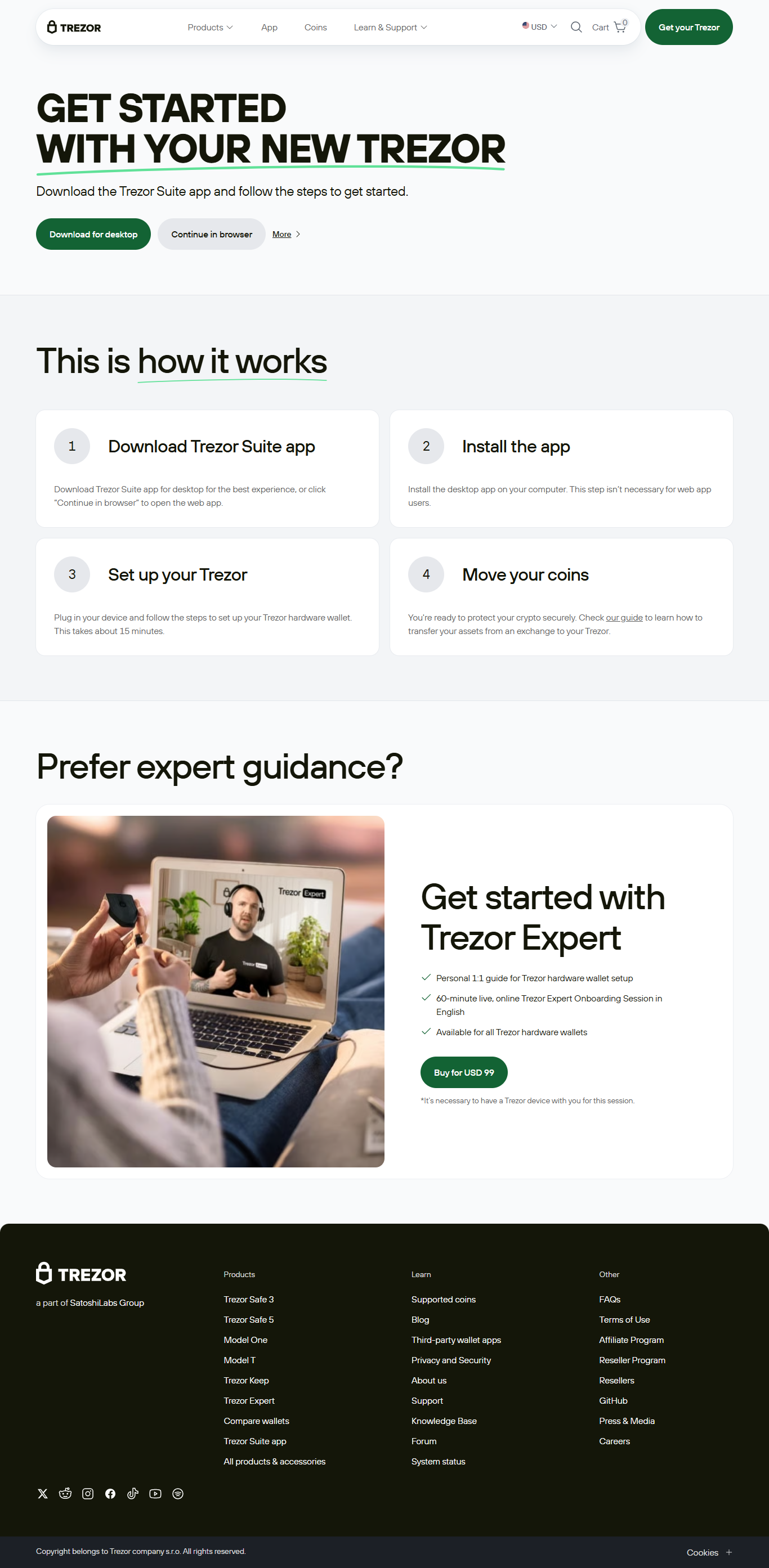
Trezor.io/start – Safe Crypto Setup Made Simple
Entering the world of cryptocurrency can feel exciting yet intimidating. With digital assets becoming increasingly valuable, securing them from hacks, malware, and phishing attacks is critical. Trezor.io/start – Safe Crypto Setup Made Simple provides a step-by-step, official guide for safely setting up Trezor hardware wallets and beginning your journey into secure cryptocurrency management.
Developed by SatoshiLabs, Trezor has become a trusted name in hardware wallet technology. By combining cold storage security, user-friendly interfaces, and transparent software, Trezor empowers users to protect, manage, and grow their digital assets with confidence. The Trezor.io/start guide is designed to make the process easy, secure, and accessible for beginners and experienced users alike.
Why Trezor.io/start Is Important
Managing cryptocurrencies without proper guidance can be risky. Mistakes during setup, key management, or transactions can lead to irreversible losses. Trezor.io/start ensures that users follow official, security-first procedures to set up their wallets safely.
Benefits of following the official setup guide include:
Step-by-step instructions from unboxing to wallet initialization
Guidance on securely generating and storing recovery seeds
Official instructions for installing and connecting Trezor Suite software
Protection against counterfeit devices and phishing attacks
By using Trezor.io/start, users can eliminate common setup errors and start managing crypto securely from day one.
Step 1: Unboxing Your Trezor Device
The first step in securing your crypto is verifying the authenticity of your Trezor device. Trezor.io/start emphasizes careful unboxing to ensure your hardware wallet has not been tampered with.
Key Points During Unboxing
Sealed packaging: The device should arrive in a tamper-proof box.
Device authenticity: Check the hologram, logo, and overall device quality.
Included accessories: Trezor wallets come with USB cables, recovery seed cards, and sometimes lanyards or keychains.
Never use a wallet that appears damaged or tampered with. Always purchase Trezor devices from official sources to prevent counterfeit products.
Step 2: Initializing Your Wallet
After verifying your device, the next step is to initialize your Trezor wallet. This process includes powering on the device, setting a PIN code, and generating a recovery seed.
Setting a PIN Code
Choose a secure PIN (usually 4–8 digits).
Avoid obvious sequences such as “1234” or repeated numbers.
The PIN prevents unauthorized access if the device is lost or stolen.
Generating a Recovery Seed
The Trezor device generates a 24-word recovery seed.
The seed is displayed only on the hardware wallet screen.
Trezor.io/start emphasizes offline storage, including:
Writing the seed on the provided card
Using a metal backup for durability
Avoiding digital storage, screenshots, or cloud backups
The recovery seed is the ultimate key to your funds. If the device is lost, stolen, or damaged, the seed allows you to recover your wallet securely.
Step 3: Installing Trezor Suite
While the hardware wallet keeps keys offline, Trezor Suite is the software that allows users to manage their crypto. Available for desktop and web, Trezor Suite provides a secure interface to interact with the blockchain.
Installing Trezor Suite
Visit Trezor.io/start and download the official software for your operating system (Windows, macOS, Linux).
Install the application following on-screen instructions.
Open Trezor Suite and select either “Initialize as new device” or “Recover from recovery seed”.
Trezor Suite connects with your hardware wallet via USB, allowing you to manage multiple cryptocurrencies securely.
Step 4: Adding Accounts and Cryptocurrencies
Once Trezor Suite is installed, users can add accounts for supported cryptocurrencies.
Steps for Adding Accounts
Select the cryptocurrency (Bitcoin, Ethereum, Litecoin, etc.).
Add accounts for each coin or token.
Synchronize balances and transaction history securely through Trezor Suite.
Trezor supports hundreds of cryptocurrencies, including major coins and ERC-20 tokens. This allows users to manage multiple assets in one secure interface.
Step 5: Sending and Receiving Crypto
Trezor.io/start emphasizes safe transaction practices to prevent accidental loss or theft.
Sending Crypto
Open the account in Trezor Suite.
Enter the recipient’s address or scan a QR code.
Set transaction amounts and fees.
Confirm the transaction on your Trezor device.
Receiving Crypto
Open the relevant account in Trezor Suite.
Display your verified wallet address on the device.
Share the verified address with the sender.
Verifying all transaction details on the hardware wallet ensures that malware or phishing attacks cannot manipulate your funds.
Step 6: Staking and Earning Rewards
Trezor Suite allows users to stake supported cryptocurrencies, enabling them to earn rewards while keeping private keys offline.
Select a supported asset account (e.g., Tezos, Polkadot).
Choose a staking validator within Trezor Suite.
Confirm the staking operation on the device.
Monitor earned rewards directly from the Trezor Suite dashboard.
This feature allows users to grow their holdings safely and passively, without relying on third-party platforms.
Step 7: Firmware Updates and Device Security
Trezor regularly releases firmware updates to improve security and functionality. Trezor.io/start guides users on:
Checking for updates via Trezor Suite
Downloading updates securely
Confirming updates on the device before installation
Keeping firmware updated ensures protection against vulnerabilities and compatibility with new cryptocurrencies.
Best Practices for Trezor Users
To maximize security, Trezor.io/start recommends:
Always buy devices from official sources.
Verify device authenticity before setup.
Store recovery seeds offline, preferably using metal backups.
Update firmware and Trezor Suite regularly.
Confirm all transactions on-device.
These best practices ensure users maintain the highest level of protection while managing their crypto.
Benefits of Following Trezor.io/start
Official guidance: Step-by-step instructions verified by Trezor.
Maximum security: Emphasis on offline key storage and on-device verification.
Ease of use: Intuitive interface for beginners and advanced users.
Comprehensive crypto management: Support for hundreds of coins and tokens.
Advanced features: Staking, recovery, and hidden wallets.
By following the official setup guide, users reduce the risk of mistakes and ensure long-term security of their assets.
Who Should Use Trezor.io/start?
Trezor.io/start is ideal for:
Beginners entering the crypto space
Intermediate users managing multiple assets
Advanced users participating in staking and DeFi
High-net-worth holders seeking secure cold storage
Anyone who wants full control over private keys
The guide makes cryptocurrency management accessible and secure for users at every level.
Conclusion
Trezor.io/start – Safe Crypto Setup Made Simple provides a secure, structured, and reliable approach to entering the cryptocurrency ecosystem. From unboxing the hardware wallet, generating recovery seeds, installing Trezor Suite, and adding accounts, to sending, receiving, and staking cryptocurrencies, every step is designed with security and ease of use in mind.
By combining hardware-level key protection, official software, on-device verification, and user education, Trezor ensures that users can manage crypto confidently and safely. Following Trezor.io/start not only prevents common setup errors but also establishes a foundation for long-term asset security and portfolio growth.
Whether you are a new investor or a seasoned crypto holder, Trezor.io/start provides the safest, most reliable way to begin your journey into secure cryptocurrency management.